Troubleshooting Common Issues with Bath Shower Mixers
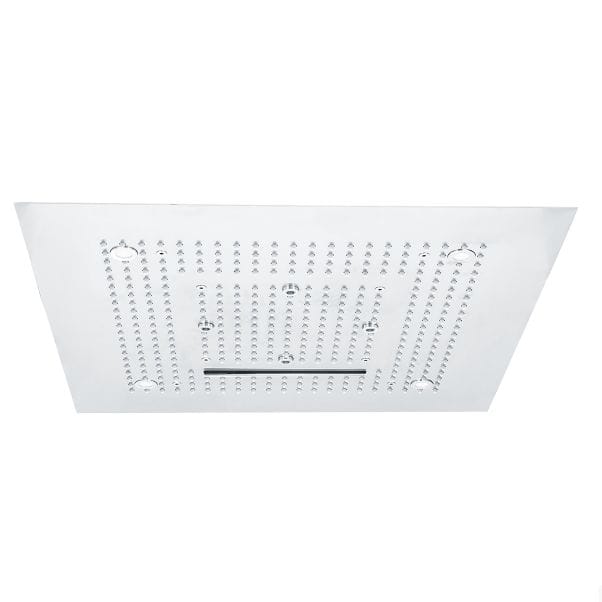
Bath shower mixers combine the functions of a bath tap and a shower in one unit. They help control the flow and temperature of water, making your bath or shower comfortable. When a problem happens with bath shower mixers, it can disrupt your daily routine.
Luckily, many common issues are easy to identify and fix without calling a professional. These include:
Low Water Pressure:
One common problem with bath shower mixers is low water pressure. If the water flow feels weak, the cause could be a clogged showerhead or blockages in the pipes. Sometimes, mineral buildup from hard water blocks the small holes in the showerhead, reducing water flow. Removing the showerhead and soaking it in vinegar for a few hours can help clear these deposits.
Temperature Problems:
If the water temperature changes suddenly or doesn’t get hot enough, the mixer might be faulty. This can happen when the internal parts wear out or get stuck. Many bath shower mixers have a thermostat to keep the water at a steady temperature. If the thermostat breaks, the water temperature might fluctuate. Replacing the thermostat cartridge usually fixes this issue.
Leaking Mixers:
Leaks are a common annoyance. Water might drip from the spout even when the mixer is turned off or leak from around the handles. This usually means the washers or seals inside the mixer are worn out. These parts can be replaced easily with some basic tools. If the leak continues, it might be best to replace the entire mixer.
Stiff or Hard-to-Turn Handles:
Handles that are difficult to turn can make using the bath shower mixer frustrating. This stiffness often happens because of mineral deposits or old grease inside the mechanism. Removing the handles and cleaning the internal parts can improve movement. Applying some plumber’s grease during reassembly can also help.
Noise During Use:
Sometimes, bath shower mixers make noises like banging or whistling when turned on. This noise usually comes from air trapped in the pipes or loose parts inside the mixer. Checking for loose fittings and tightening them might solve the problem. If the noise continues, consulting a plumber can help find the cause.
Many problems with bath shower mixers come from normal wear and tear. Regular cleaning and small repairs can keep your mixer working well for years. Taking a little time to understand your mixer and how it works can save frustration and keep your bathroom comfortable.